

Your audience may forget a slogan, but a well-crafted story can shape how they remember your brand for years. To build that kind of legacy, you need more than polished visuals: define the cultural impact you want, uncover the human experience behind your brand, and turn your values into meaningful conflict. With strategic production, targeted distribution, and measurable loyalty goals, your film can become an enduring asset—but only if every creative choice serves the story.
Key Takeaways
- Define a measurable legacy goal, such as recall, trust, inquiries, or retention, with a baseline, target, and evaluation period.
- Uncover the brand’s human purpose through authentic stories of sacrifice, discovery, transformation, and meaningful impact.
- Turn brand values into cinematic conflict by presenting characters with credible dilemmas, escalating stakes, and consequential choices.
- Use pacing, music, color, composition, and visual symbolism to make the brand’s emotional message memorable and distinctive.
- Measure reach, recall, sentiment, sharing, branded searches, repeat engagement, and retention to strengthen long-term brand preference.
Define Your Brand Film’s Legacy Goal
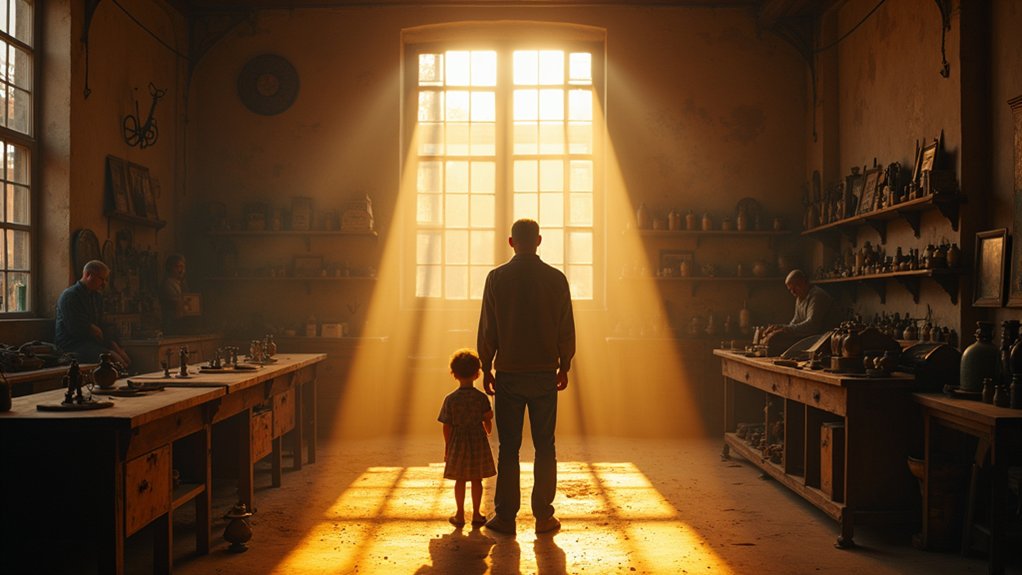
Before production begins, define what you want your brand film to leave behind. Set one measurable legacy goal: stronger recall, increased trust, qualified inquiries, or higher audience retention.
Choose a baseline, target, and evaluation window so your creative decisions support a business outcome rather than personal preference.
Then translate that goal into two creative requirements. Emotional resonance should reinforce the response you want viewers to remember, while Visual symbolism should make your central promise recognizable without explanation.
Test concepts with representative audiences and track unaided recall, sentiment, completion rates, and post-viewing action.
If viewers can describe your intended association days later, the film has created durable value.
Keep every image, line, and edit accountable to the legacy goal, and remove anything that distracts from it.
Find the Human Story Behind Your Brand
Why should audiences care about your brand beyond its product? Find the human reason your company exists, then build your film around it. Interview founders, employees, customers, and community members to uncover moments of sacrifice, discovery, or transformation. Look for specific details—a first order, a difficult decision, a customer’s turning point—that reveal meaning more powerfully than corporate claims.
Use Emotional authenticity as your quality test: the story should feel observed, not manufactured. Personal storytelling helps viewers recognize their own experiences and strengthens memory. Validate your choices with audience research, testing whether viewers understand the person, need, and change at the story’s center. Track emotional response, recall, and intent, not just views.
When you ground the narrative in lived experience, you give your brand a credible identity audiences can remember and trust.
Turn Brand Values Into Cinematic Conflict
Once you’ve found the human story, give it stakes by turning your brand values into a choice someone must make. Let a character face pressure that tests the promise your business makes: convenience versus responsibility, growth versus integrity, or speed versus quality. This conflict transforms an abstract value into measurable behavior, helping audiences understand why it matters.
Build a clear Narrative structure: establish the dilemma, intensify the consequences, and resolve the choice in a way that demonstrates your position without preaching. Use Visual symbolism to reinforce the tension—a locked door, a diminishing resource, or a divided road can communicate stakes faster than dialogue.
Test each scene against audience research: does it create recognition, emotional investment, and recall? When values drive decisions, your story earns credibility and differentiates your brand.
Produce and Share a Memorable Brand Film
How can you turn a strong narrative into a film people remember and share? Start with a production plan that protects the story’s emotional core. Match pacing, music, color, and composition to your brand’s values, then use visual storytelling to make the message understandable without narration.
Keep the opening compelling within the first few seconds, since early attention determines whether viewers continue watching. Build scenes around one clear tension, one human perspective, and one memorable resolution.
Before release, test multiple cuts, thumbnails, and captions with representative viewers; choose the versions that drive stronger comprehension and audience engagement.
Distribute the film where your audience already spends time, adapting aspect ratios, subtitles, and length for each platform. Make sharing effortless with a direct, credible call to action and accessible formats.
Measure Brand Film Reach and Loyalty

Your brand film’s impact isn’t defined by views alone; measure reach through unique viewers, completion rates, watch time, shares, and qualified traffic. Then connect those results to loyalty signals such as branded search, repeat engagement, sentiment, and customer retention.
Segment performance by platform, audience, and campaign source to identify where your story earns attention and action. Track audience engagement beyond clicks: monitor comments, saves, direct responses, and return visits.
Evaluate social sharing for both volume and quality, noting who shares, why they share, and which communities expand your reach. Use tagged links, post-view surveys, and customer data to connect exposure with consideration and purchase.
Establish benchmarks before launch, review results at consistent intervals, and compare cohorts over time. Then refine distribution, creative, and follow-up messaging to turn cinematic attention into lasting brand preference.
Frequently Asked Questions
How Much Does It Cost to Produce a Cinematic Brand Film?
A cinematic brand film costs $10,000–$250,000+, depending on scope. You’ll need Budget planning and Creative concepts to control costs: strategy, scripting, talent, locations, production days, post-production, and distribution shape your investment and measurable return.
How Long Should a Brand Film Typically Be?
You should aim for 60–90 seconds, balancing narrative pacing with visual storytelling. Keep your brand film focused: audiences typically engage longer when every scene advances your message, strengthens emotional impact, and supports a clear strategic objective.
Which Equipment Is Best for Shooting a Professional Brand Film?
Choose a cinema camera with interchangeable lenses, reliable autofocus, and strong low-light performance. Prioritize Lighting equipment for consistent exposure and Camera stabilization for smooth movement. Rent premium gear first, then invest according to recurring production needs.
Should We Hire an In-House Team or an External Production Company?
Choose an external production company for specialized scale, speed, and measurable quality; build In house expertise when recurring content justifies fixed costs. Balance external collaboration with your budget, timeline, creative control, and long-term output.
How Can We Secure Talent, Locations, and Filming Permits?
Secure talent through Talent recruitment agencies, auditions, and contracts; use Location scouting databases and local fixers to identify sites. Build permit timelines, contact authorities early, budget fees, and maintain backup options to protect production schedules.
Conclusion
When you define a legacy goal, uncover a human story, and turn values into meaningful conflict, you give your brand more than visibility—you give it staying power. Produce with purpose, distribute with precision, and measure both reach and loyalty. If your film earns attention, inspires emotion, and strengthens trust, it can outlive the campaign that launched it. Tell stories people remember, values people recognize, and moments people share—and you’ll build a legacy that compounds.
About the Author