
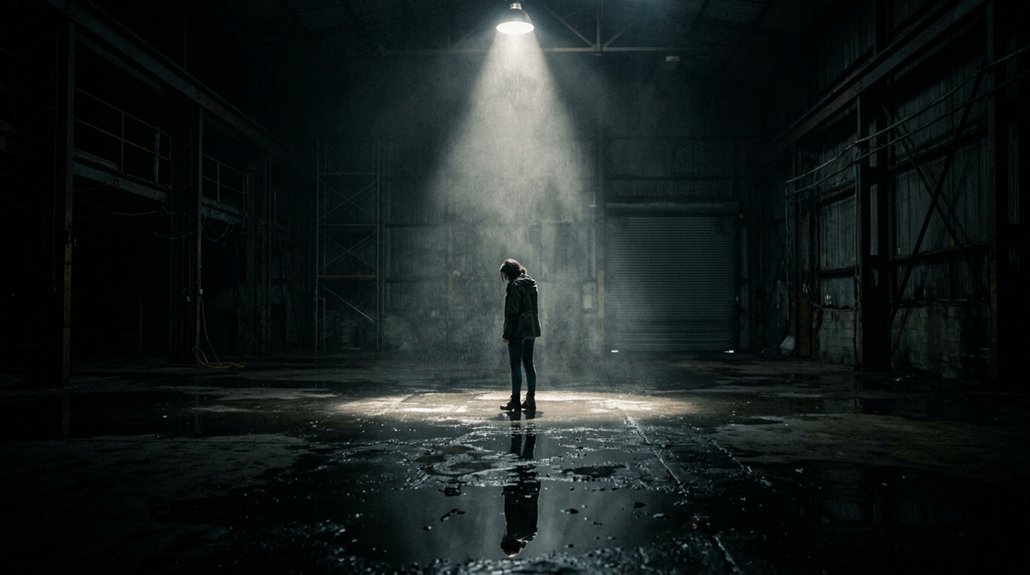
You may not realize that viewers process visual information far faster than written language, making a film’s first frame a strategic brand decision. High-production film lets you shape emotion through composition, lighting, movement, sound, and scale before your audience evaluates a single claim. Copy can explain your value, but the frame can make that value feel tangible and credible. When you combine both effectively, your message gains impact—and the most important advantage often begins before the story starts.
Key Takeaways
- High-production film makes abstract brand promises tangible by showing behavior, atmosphere, scale, and emotion in seconds.
- Composition, framing, lighting, color, and movement guide attention and communicate priorities before audiences read a single word.
- Sound, pacing, gestures, and silence create emotional nuance and sensory memory that copywriting alone cannot reproduce.
- Distinctive visual cues and recurring cinematic motifs strengthen brand recognition by linking memorable moments to a specific promise.
- Film works best with copy when visuals demonstrate the experience while language clarifies claims, proof, and next steps.
What Does High-Production Film Add Beyond Copy?

High-production film adds more than polished copy—it turns your message into an experience people can see, feel, and remember. With visual storytelling, you can communicate context, emotion, and credibility in seconds—advantages text often struggles to deliver alone.
Strategic composition directs attention toward the details that support your positioning, while sound design and pacing influence how viewers process information. Cinematic depth also gives your brand a more distinctive, premium presence, helping you compete in crowded feeds and search results.
You can reinforce key claims through demonstrations, expert interviews, and purposeful imagery, making complex ideas easier to understand and recall. Because viewers retain information more effectively when visuals and audio work together, high-production film can strengthen comprehension, engagement, and brand recognition while supporting measurable marketing goals across channels.
How Brand Films Turn Messages Into Experiences
You can turn words into worlds by pairing a clear message with visuals, sound, and movement that make your brand tangible.
Motion builds emotional impact, helping audiences remember not just what you say, but how you make them feel.
Track attention, recall, and response to prove the experience strengthens brand performance.
From Words To Worlds
A brand film doesn’t just tell people what your company stands for—it lets them experience it. Through visual storytelling, you can transform abstract positioning into a world your audience understands instantly.
Show your product solving a real problem, your team improving a process, or your service fitting naturally into daily life. Each frame supplies evidence that strengthens your message beyond what copy alone can prove.
Cinematic language—composition, pacing, lighting, sound, and movement—creates a structured path from awareness to understanding. That structure matters: consistent visual cues help viewers recognize your brand and recall its promise across channels.
Emotion Through Motion
When motion carries meaning, your brand film can make a message feel personal before viewers consciously evaluate it. A deliberate close-up can signal trust, while a measured pace can communicate confidence. Through visual storytelling, you guide attention, shape interpretation, and create emotional resonance that static copy often struggles to produce.
Every movement should support a measurable objective: increase recall, clarify value, or prompt action. Consider how audiences process sequences across platforms, then design transitions, gestures, and camera movement to reinforce your promise.
Data can validate performance through completion rates, replays, click-throughs, and brand-lift studies. When those signals align, flow becomes more than decoration; it becomes evidence of your positioning.
You’re not merely explaining what your brand believes. You’re letting viewers experience why it matters.
Why Composition Shapes Meaning Before Words
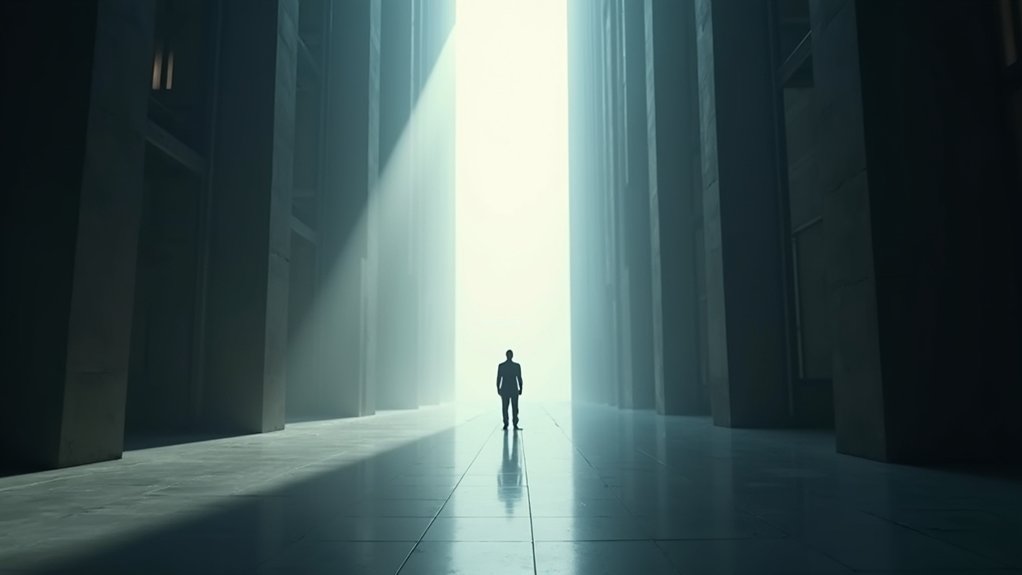
You guide attention before viewers process a single word by establishing a clear visual hierarchy.
Framing then directs emotion, using proximity, scale, and contrast to shape what your audience notices and feels.
When you control composition, you’ll make each visual choice reinforce your message.
Visual Hierarchy Leads
Before a viewer reads a single word, composition directs attention, establishes priority, and frames interpretation. You can guide that attention through scale, contrast, placement, and depth, creating a visual hierarchy that communicates value instantly.
A product positioned at the brightest intersection of the frame becomes the message’s anchor; supporting elements reinforce its relevance without competing for focus. This structure strengthens visual storytelling because viewers process spatial relationships before they decode copy.
Use a cinematic perspective to control what appears dominant, secondary, or peripheral, then align each layer with your campaign objective. Data supports the strategy: clearer visual order reduces cognitive load and improves recall.
Don’t make audiences search for meaning. Lead their eyes deliberately, so every glance confirms your intended priority and moves them efficiently toward understanding.
Framing Directs Emotion
A frame doesn’t just organize an image—it cues the viewer how to feel about it. When you place a subject at the edge, you create tension; when you center it, you signal control, importance, or stability. Tight framing can make you feel intimate or trapped, while negative space can suggest isolation, possibility, or risk.
Before your audience processes a single line, composition has already assigned emotional meaning.
Use these choices strategically. Track attention, completion rates, and conversions against framing variations, just as you’d test headlines. Color psychology strengthens the effect: saturated reds can accelerate urgency, while cooler blues often communicate trust or distance.
Through cinematic storytelling, you turn visual structure into persuasion. Don’t decorate the message; direct the viewer’s emotional path, then let words confirm what the frame has already made them feel.
How Lighting Gives Brands an Emotional Tone
Lighting sets the emotional tone your brand communicates before customers read a word. Warm, diffused light can make your product feel approachable, premium, and human, while cool, high-contrast light can signal precision, urgency, or innovation. Choose the response you want, then build every scene around it.
Use color palettes strategically: amber and gold often suggest comfort, whereas blue and green can reinforce trust, technology, or sustainability. Track audience reactions through watch time, recall, click-through rates, and conversion data to determine whether your lighting supports the intended message.
Coordinate illumination with camera angles, wardrobe, and set design so visual signals remain consistent. You’re not simply making footage attractive; you’re shaping perception. When lighting aligns with your positioning, customers recognize your value faster and remember it longer.
Why Movement Makes Brand Stories Feel Immediate

Movement makes brand stories feel immediate because it gives viewers a clear sense of time, energy, and consequence. When you show a product entering frame, a customer moving through a space, or a team solving a problem, you turn claims into observable action. That evidence reduces cognitive distance: viewers can understand what happens, how quickly it happens, and why it matters.
Use pacing strategically. Rapid cuts can signal urgency, while deliberate tracking shots can communicate confidence and control. Kinetic storytelling also directs attention, guiding viewers toward the feature or behavior you want remembered.
In practice, motion supports dynamic branding by making identity visible through repeated gestures, shifts, and visual rhythms. Track completion rates, replay behavior, and conversions to learn which motion patterns hold attention and drive response.
How Sound and Silence Strengthen the Message
Motion captures attention, but sound determines what viewers feel and remember. You can use ambient sound to make a scene credible, immediate, and emotionally specific. Footsteps, room tone, or distant traffic gives your message context without adding narration.
Music then shapes interpretation: a rising score can increase urgency, while restrained instrumentation can signal trust and control.
Don’t overlook silent pauses. Removing sound before a reveal forces viewers to focus, heightening anticipation, and gives important words more weight.
Research in audiovisual perception consistently shows that audiences use sound cues to interpret emotion, attention, and meaning, often before they process every visual detail.
When Film and Copy Work Best Together
Film and copy work best together when each delivers information the other can’t. Use film to demonstrate behavior, atmosphere, scale, and emotion; use copy to clarify claims, provide proof, and guide interpretation.
This division strengthens comprehension because viewers process visual evidence quickly while retaining concise, relevant language. Give your film a clear strategic role: show the product solving a real problem, then let copy quantify the outcome or explain the next step.
Build narrative depth by pairing human moments with specific context, not repeating the same message in two formats. Add cultural context through copy when visuals could invite multiple readings or exclude important audiences.
Track completion rates, click-throughs, conversion lift, and message recall to identify the strongest combination. You’ll create communication that feels richer while making every frame and sentence earn its place.
How to Make Brand Films More Memorable
Once film and copy work as a system, memorability depends on giving audiences a clear idea to retain. Build your brand film around one specific promise, then repeat it through action, image, sound, and language.
Strong visual storytelling helps viewers connect your message with a recognizable moment, character, or transformation. Keep the structure simple: establish tension, show the shift, and resolve with a branded takeaway.
Use sensory engagement strategically—music, texture, pacing, and close detail can increase attention, but every element should support the central idea.
Design distinctive visual cues, such as a recurring color or gesture, so viewers can recall your brand without seeing the full film.
Test recall after exposure, not just completion rates. If audiences remember the promise and associate it with you, your production has earned lasting value.
Frequently Asked Questions
How Much Does Producing a High-Quality Brand Film Typically Cost?
You’ll typically spend $15,000–$100,000+ on a high-quality brand film. Budget considerations include crew, locations, and post-production, while Creative strategies can control costs, strengthen storytelling, and maximize measurable audience engagement, conversions, and brand impact.
How Long Does the Planning and Production Process Usually Take?
You’ll typically need 6–12 weeks, depending on scope. Allow 2–4 weeks for strategy, scripting, storyboarding, and location scouting, then 2–8 weeks for production, editing, revisions, approvals, and final delivery.
Which Team Members Are Needed to Create a Successful Brand Film?
You’ll need a strategist, director, producer, cinematographer, writer, editor, and sound designer. Together, they turn insight into impact: Story development guides Casting decisions, while production expertise strengthens consistency, emotional engagement, and measurable brand performance.
What Equipment and Technology Are Required for Professional Film Production?
You’ll need a cinema camera setup, professional lenses, stabilized support, wireless audio, lighting techniques, color-calibrated monitors, recording media, editing software, and reliable storage. Invest strategically: superior sound, controlled light, and consistent workflow drive credibility and measurable audience engagement.
How Can Brands Measure the Return on Investment From a Film?
Your film’s ROI isn’t measured by applause alone; track audience engagement, conversions, qualified leads, sales lift, and brand storytelling recall. Compare campaign costs against attributable revenue, then optimize distribution using performance data and testing.
Conclusion
When you pair strategic copy with high-production film, you turn information into an experience audiences can feel and remember. That matters because people retain 95% of a message when they watch it in video, compared with 10% when they read it in text. Use composition, lighting, movement, sound, and words together to give your brand emotional clarity and momentum. Don’t just explain your value—frame it, direct it, and make it impossible to forget.
About the Author