
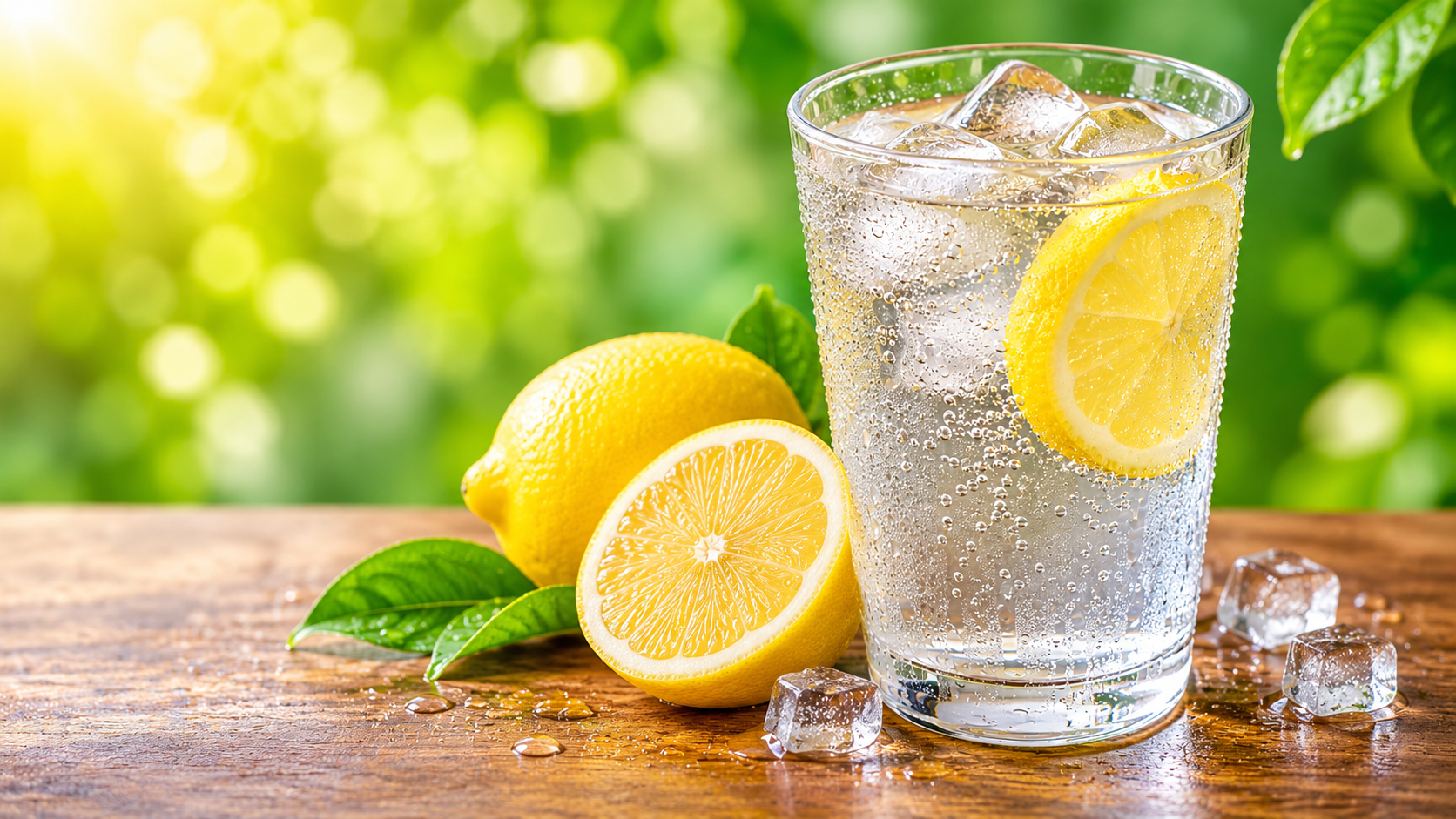
The beverage industry has enormous potential. From functional drinks and energy beverages to premium soft drinks, natural juices, flavoured waters and innovative health-focused products, consumer demand continues to create opportunities for entrepreneurs and established businesses alike.
For anyone looking to enter the market, the possibilities can be exciting. A great drink idea, an attractive brand and a clear vision can be the starting point for something special.
However, beverage manufacturing is one of the most challenging industries to break into successfully. Behind every bottle or can on a supermarket shelf lies a complex process involving product development, ingredient sourcing, formulation, food safety, manufacturing, packaging, branding, marketing, logistics and distribution.
The difference between a promising idea and a commercially successful beverage often comes down to one critical factor: having the right expert advice and industry support at every stage of the journey.
1. Understanding the Challenges of Entering the Beverage Market
Launching a beverage brand is about much more than creating a drink that tastes good.
New entrants frequently underestimate the technical, financial and commercial demands involved in bringing a product to market. Unlike many other consumer products, beverages present specific manufacturing challenges, including shelf-life stability, ingredient compatibility, preservation, carbonation, filling technology and regulatory compliance.
There are also significant commercial considerations. Manufacturers may require minimum production quantities, packaging suppliers have their own specifications, and distribution partners need products that meet their operational and commercial requirements.
Getting these elements wrong can result in costly delays, wasted investment and products that struggle to gain traction.
This is why approaching beverage manufacturing as a complete business process, rather than simply a product development exercise, is essential.
2. Drink Design: Turning an Idea into a Market-Ready Product
Every successful beverage begins with an idea, but transforming that idea into a viable commercial product requires specialist knowledge.
Perhaps the concept is a healthier alternative to traditional soft drinks, a functional beverage with added vitamins, a premium mixer, a natural energy drink or an entirely new flavour experience.
Whatever the vision, the first challenge is creating a formulation that delivers on taste, quality, consistency and commercial viability.
Expert beverage development advice can help with:
- Ingredient selection: Identifying suitable ingredients, flavourings, sweeteners, colours and functional components.
- Formulation: Developing the correct balance of taste, texture, acidity, sweetness and other product characteristics.
- Technical feasibility: Ensuring the formulation is compatible with available manufacturing processes and equipment.
- Shelf-life development: Establishing the appropriate preservation methods, stability testing and storage requirements.
- Regulatory compliance: Understanding ingredient restrictions, permitted claims, labelling requirements and food safety obligations.
- Cost optimisation: Balancing product quality with ingredient costs and achievable retail pricing.
The importance of getting this stage right cannot be overstated.
A beverage might taste fantastic in a development kitchen but behave very differently when produced in thousands of litres and packaged on a commercial production line.
Working with experienced beverage technologists and product development specialists helps bridge that gap, reducing risk and ensuring the product is designed with manufacturing and the marketplace in mind from the outset.
3. Finding the Right Manufacturing Partner
Once the formulation has been developed, the next major challenge is finding a suitable manufacturing solution.
For start-ups and emerging beverage brands, investing in their own manufacturing facility is rarely practical. Equipment, premises, technical staff, quality systems and regulatory requirements can represent a substantial financial commitment.
Contract manufacturing and co-packing provide an alternative, allowing brands to work with established facilities that already have the necessary equipment and expertise.
However, finding the right partner is not simply about identifying a factory with available production capacity.
Important considerations include:
- Can the facility manufacture the specific type of beverage?
- Does it have the correct processing and filling equipment?
- Can it accommodate the required packaging format?
- What are its minimum order quantities?
- Can it support product trials and scale-up?
- Does it operate appropriate quality assurance and food safety systems?
- Can it accommodate future growth?
An experienced industry adviser can help identify suitable manufacturing partners, assess their capabilities and negotiate the practical requirements of production.
This can save considerable time and prevent entrepreneurs from committing to manufacturing arrangements that are unsuitable for their product or business model.
4. Packaging and Presentation: Creating a Product That Sells
In a competitive beverage market, packaging is much more than a container. It is one of the most important marketing tools a brand has.
Consumers make purchasing decisions quickly, often based on visual appeal, perceived quality, brand recognition and how well a product communicates its benefits.
Whether the chosen format is a glass bottle, aluminium can, PET bottle or carton, packaging decisions need to be considered carefully.
The right packaging must balance several factors:
- Brand identity and visual appeal.
- Practicality and consumer convenience.
- Manufacturing compatibility.
- Packaging and transport costs.
- Sustainability considerations.
- Retailer and distributor requirements.
- Regulatory labelling obligations.
It is also important to remember that packaging choices affect manufacturing costs, storage, transportation and ultimately profit margins.
Expert guidance can help ensure that packaging is not only attractive but commercially practical and aligned with the brand’s positioning.
5. Marketing: Building a Brand That Consumers Want to Buy
Having a great beverage is only half the battle. The real challenge is persuading consumers to choose it over the many alternatives already available.
The beverage sector is highly competitive, with established international brands competing alongside independent producers, private labels and emerging challenger brands.
New entrants therefore need a clear marketing strategy that answers three fundamental questions:
- Who is the product aimed at?
- Why should consumers choose it?
- How will the brand reach and influence those consumers?
A strong beverage marketing strategy starts with positioning.
Is the product premium, affordable, natural, indulgent, functional, sustainable or lifestyle-led? What makes it different, and how can that difference be communicated clearly?
Once the positioning is established, the brand needs a consistent identity across packaging, digital channels, promotional materials and retail presentations.
Key marketing considerations include:
Brand development: Creating a memorable name, logo, visual identity and brand personality.
Market research: Understanding competitors, consumer preferences, category trends and potential gaps in the market.
Digital marketing: Using websites, social media, content marketing and online advertising to build awareness and generate demand.
Influencer and partnership marketing: Working with relevant personalities, businesses and communities to introduce the product to potential customers.
Sampling and promotions: Allowing consumers to experience the product and encouraging trial and repeat purchases.
Trade marketing: Developing professional presentations, sales materials and promotional strategies that appeal to retailers, wholesalers and distributors.
Importantly, marketing should not be left until the product has been manufactured. It should influence the product concept, formulation, packaging and pricing from the very beginning.
An experienced beverage marketing adviser can help develop a strategy that connects the product’s commercial proposition with the needs and expectations of its target audience.
6. Distribution: Getting the Product into the Hands of Consumers
Even the best-designed beverage will struggle without an effective distribution strategy.
Getting products onto shelves and into the right outlets is one of the most difficult aspects of establishing a new beverage business.
Potential routes to market include:
- Independent retailers and convenience stores.
- Supermarket chains.
- Bars, restaurants and hospitality businesses.
- Hotels and leisure venues.
- Gyms and health-focused outlets.
- Online retailers and direct-to-consumer sales.
- Wholesalers and specialist beverage distributors.
- Export markets and international distribution partners.
Each channel has different commercial expectations, pricing structures, logistics requirements and sales challenges.
For example, supermarkets may require significant production capacity, competitive pricing, promotional support and reliable supply. Independent retailers may be more accessible but require a focused sales effort. Hospitality outlets may provide an excellent opportunity for premium products to establish themselves through consumer experience.
Distribution planning must also take account of transport costs, warehousing, product shelf life, stock management and cash flow.
This is where experienced industry connections and commercial advice can make a significant difference.
Understanding how distributors operate, what retailers expect and how to structure commercially viable agreements can help new brands avoid expensive mistakes and establish realistic routes to market.
7. Why Expert Advice Is Needed Throughout the Entire Process
One of the biggest mistakes new beverage entrepreneurs make is treating each stage of the process as a separate activity.
They might engage a designer to create a brand, a laboratory to develop a formulation and a manufacturer to produce the drink, only to discover that the finished product is too expensive, difficult to manufacture or unsuitable for the intended distribution channel.
The problem is that every decision affects the next.
The ingredients influence the formulation and production process. The formulation influences shelf life and packaging requirements. Packaging affects manufacturing costs and logistics. Manufacturing costs influence pricing. Pricing affects market positioning and distribution opportunities. Marketing must then communicate the product’s value effectively to consumers and trade customers.
This interconnected process requires joined-up thinking.
Having access to experienced advisers who understand the wider beverage industry helps ensure that decisions are made with the entire commercial journey in mind.
Rather than simply solving individual problems as they arise, expert support can help anticipate challenges, coordinate suppliers and specialists, identify opportunities and keep the project moving towards a realistic commercial launch.
In many cases, the right advice at the beginning can prevent significant costs and complications further down the line.
8. From Start-Up Concept to Established Beverage Brand
Entering the beverage industry does not necessarily require enormous investment or an existing manufacturing operation.
With the right concept, a clearly defined target market, a commercially viable formulation and access to the appropriate manufacturing and distribution partners, it is possible to develop a beverage business without building every element from scratch.
However, success requires realistic planning and an understanding of what it takes to compete.
A structured approach should include:
- Concept development: Establishing the product idea, target consumer and market opportunity.
- Product development: Creating and testing a commercially viable beverage formulation.
- Technical validation: Confirming food safety, regulatory compliance, shelf life and manufacturing feasibility.
- Manufacturing strategy: Identifying suitable production facilities and agreeing commercial arrangements.
- Brand and packaging: Developing an identity and packaging format that appeals to the target market.
- Commercial planning: Establishing production costs, pricing, margins and financial requirements.
- Marketing and launch: Building awareness and generating consumer and trade interest.
- Distribution: Securing sales channels and establishing a reliable supply chain.
- Growth and expansion: Monitoring performance, developing new opportunities and scaling production as demand increases.
Having experienced guidance throughout these stages provides continuity, helping to ensure that the original vision translates into a product that can actually be manufactured, marketed and sold profitably.
Conclusion: Don’t Just Create a Drink. Build a Beverage Business.
The beverage manufacturing industry offers exciting opportunities for entrepreneurs, innovators and established businesses looking to develop new products or enter new markets.
But it is also an industry where experience matters.
A great idea alone is rarely enough. Success depends on understanding the technical requirements of drink development, the practical realities of manufacturing, the importance of effective branding and marketing, and the commercial challenges of getting products into the marketplace.
The most successful approach is to surround the project with the right expertise from the outset.
From the first formulation discussions through to manufacturing, packaging, marketing and distribution, experienced industry advice can help turn an ambitious concept into a commercially viable beverage brand.
The key is to have the right people involved at the right time, with a clear understanding of the entire journey.
Because getting into the beverage industry is one challenge. Building a product that consumers love, retailers want to stock and distributors want to sell is what really makes the difference.
About the Author