
Table of Contents
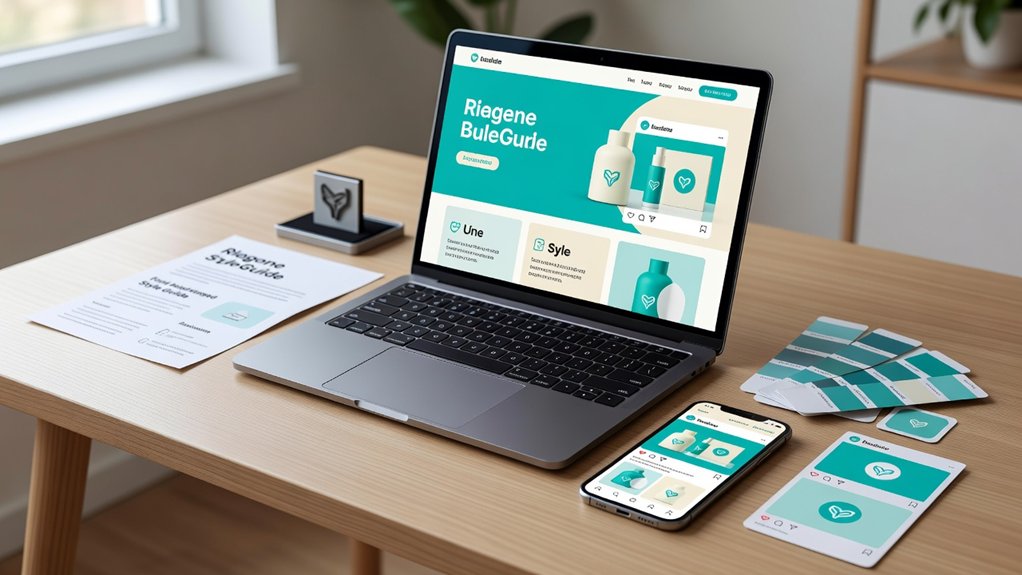
Consistency matters across your website and social media makes you easier to recognize, faster to trust, and simpler to buy from. When your visuals (logo, colors, typography, imagery) and messaging (promises, CTAs, tone) match, you reduce cognitive load and buyer uncertainty. That lowers bounce rates, improves recall, and lifts clicks and conversions because people feel your business is reliable. If your offers, links, and support cues stay aligned, you’ll see how to systemize it next.
Key Takeaways
- Consistent visuals and messaging make your brand instantly recognizable across channels, improving recall and differentiation.
- Consistency speeds trust and credibility judgments by aligning tone, pricing, policies, and promises everywhere buyers encounter you.
- Matching social posts to landing pages reduces confusion and cognitive load, lowering bounce rates and increasing conversions.
- Reusable templates and a clear voice guide keep content aligned while still allowing platform-specific formats and personalization.
- Regular audits of offers, links, and top content prevent brand drift and protect performance across your website and social media.
What Is Brand Consistency (and What Isn’t)?

While “brand consistency” can sound like a design-only checklist, it’s really the disciplined alignment of your visuals, messaging, and tone across every touchpoint—your website, social profiles, emails, and ads—so people instantly recognize you and know what to expect.
You’re protecting your Brand identity by repeating the same cues: logo use, color system, typography, voice, value proposition, and content patterns.
Consistency isn’t sameness, though—you can adapt format and length for each platform without changing the promise you make. It also isn’t perfection or rigidity; it’s reducing variance that confuses buyers.
When your pages and posts contradict each other, you increase friction, lower recall, and weaken Customer perception of reliability.
When they reinforce each other, you shorten decision time and make trust measurable through higher CTR and conversion.
What to Align First: A Brand Consistency Checklist
Start your checklist by locking in your visual identity basics—logo usage, color palette, typography, and imagery—so every touchpoint triggers instant recognition and reduces friction for your audience.
Next, align your voice and messaging across web and social so your value proposition, tone, and key phrases stay consistent and measurable through engagement and conversion metrics.
When these two foundations match everywhere, you build faster trust and make every campaign more efficient.
Visual Identity Basics
Because people form a first impression of a brand in milliseconds, your visual identity needs to match everywhere they see you—your website, Instagram, LinkedIn, email headers, and even profile icons. Start with your logo set (primary, stacked, icon), clear spacing rules, and approved backgrounds so it stays legible at any size.
Next, lock your palette using color psychology: choose 1–2 core colors for recognition, 1 accent for emphasis, and neutrals for balance, then apply the same hex codes across platforms.
Build typography harmony by standardizing headline and body fonts, weights, and line spacing, so layouts feel related even in different formats.
Finally, align imagery: consistent filters, lighting, and subject framing. When visuals repeat predictably, you cut cognitive load and boost recall.
Voice And Messaging
Visual consistency gets you recognized; consistent voice and messaging get you trusted. When your website promises “expert guidance” but your socials sound casual or salesy, people hesitate.
Audit your top pages and last 30 social posts, then map phrases, CTAs, and value claims to one core promise. Use Tone calibration to set rules for formality, humor, urgency, and empathy, and document do’s/don’ts with examples for common scenarios: questions, complaints, launches, and educational threads.
Tighten Audience targeting by naming primary segments and matching benefits to their jobs-to-be-done, not your features.
Track engagement rate, reply sentiment, and conversion by message theme; keep what performs, cut what confuses.
Consistency turns attention into belief, then action.
How Does Consistent Branding Build Trust Faster?
When your website, emails, and social profiles look and sound like they come from the same brand, people make faster, lower-effort judgments about your credibility. You reduce cognitive load by keeping visuals, tone, and promises aligned, so visitors don’t waste time reconciling mixed signals.
Consistency also strengthens perceived reliability: if your pricing, policies, and value proposition match across touchpoints, you signal operational competence. That lowers risk perception and increases conversion intent, especially for first-time buyers.
You also create an Emotional connection by showing up predictably in moments that matter—support replies, confirmations, and social responses—so people feel understood.
Over time, those repeated, coherent experiences compound into Customer loyalty because customers can anticipate what you’ll deliver and trust you to deliver it again.
How Does Brand Consistency Improve Recognition Everywhere?
Trust speeds up the first purchase, and consistency keeps you top of mind after it. When your logo, color palette, typography, and tone match across your site, emails, and social feeds, you reduce cognitive load, so people recognize you faster in crowded scrolls.
Repetitive, aligned cues train memory: each touchpoint becomes a confirmation signal that says, “Same brand, same promise.” That repetition lifts brand recall, especially when your visuals and messages stay stable while your offers rotate.
You also help audiences navigate: they spot your posts, click your links, and understand what you do without re-learning. Over time, consistent experiences reinforce expectations and satisfaction, which strengthens customer loyalty and increases the chance they’ll choose you again and recommend you elsewhere.
The Top 5 Ways Inconsistency Loses Clicks and Sales

When your website and social posts don’t match, you create brand confusion that erodes trust and pushes prospects to bounce.
If your messaging shifts by channel, you lower click-through rates because people can’t quickly grasp what you offer or why it matters to them.
When your visuals feel disjointed, you weaken perceived quality and make it harder for customers to feel confident enough to buy.
Brand Confusion Kills Trust
Although your offers might stay the same, inconsistent branding across your website and social media makes people hesitate—and hesitation is where clicks and sales die.
When your colors, typography, imagery, or voice shift between channels, people can’t quickly confirm they’re in the right place. That split-second doubt chips away at brand perception, and trust drops before they ever reach your checkout or lead form.
Consistency also drives recognition: buyers typically need multiple touchpoints, and mismatched visuals reset familiarity instead of compounding it. You’ll see it in behavior data—shorter sessions, higher bounce rates, lower return visits, and weaker audience engagement on posts that “feel” off-brand.
Tighten your visual system, reuse core templates, and align profiles, headers, and CTAs so every interaction feels unmistakably you.
Mixed Messaging Lowers Clicks
Why do clicks drop even when your design looks polished? Because your message shifts between channels. If your website promises “premium, done-for-you,” but your social posts push “cheap, DIY,” visitors hesitate and bounce.
Data consistently shows that message-match boosts CTR, while mismatch increases drop-offs at key steps like landing-page to signup. You lose Customer engagement because people can’t quickly answer, “Is this for me?”
Mixed offers, tone, or value props also weaken Market differentiation; you sound like everyone and no one. Tighten your core promise, then mirror it in headlines, captions, CTAs, and email subject lines.
When your audience sees the same outcome, same proof, and same next step everywhere, they click with confidence and move faster through your funnel.
Disjointed Visuals Hurt Sales
Message-match gets people to click, but visuals often decide whether they buy. When your ads use one palette and your site uses another, you create friction. In user testing, people judge credibility in milliseconds, and inconsistent design reads as “untrustworthy” before they process your offer.
Disjointed visuals also break recognition: if your Instagram post feels premium but your landing page looks generic, you lose the brand halo that lifts conversion. Fix it by standardizing Color harmony across every touchpoint—ads, profiles, headers, buttons—so users instantly know they’re in the right place.
Then lock in Typography choices: consistent font families, sizes, and hierarchy reduce cognitive load and make scanning faster. You’ll keep attention on benefits, not on visual confusion, and sales follow.
How to Match Visuals Across Website and Social Media
How quickly do people decide whether to trust your brand—before they read a word or after they see your visuals? Most snap judgments happen fast, so you need the same cues everywhere.
Start with a shared palette: define primary, secondary, and accent colors, then enforce Color harmony across buttons, banners, and post templates.
Next, lock in Image style—lighting, backgrounds, composition, and subject matter—so your photos and graphics feel like one system, not one-offs.
Use a simple brand kit with hex codes, typography, logo spacing, and approved filters.
Build reusable social templates that mirror your website’s layout rhythm and icon set.
Audit monthly: compare top pages and top posts, then fix mismatches that dilute recognition.
How to Align Voice, Offers, and Links Across Platforms
Even if your visuals line up perfectly, inconsistent voice, shifting offers, and broken link paths can cut conversion rates and trust signals in minutes.
Lock your tone to a simple voice guide: the same vocabulary, sentence length, and CTA phrasing on posts, landing pages, and emails.
Use audience segmentation to map each channel’s intent, then keep the core promise identical while adjusting format.
Run Content personalization without changing the offer’s terms—only tailor examples, proof points, and recommended bundles.
Standardize UTM tagging, link shorteners, and destination hierarchy so every bio, story, and ad resolves to the right page in two taps.
Audit weekly: message match, offer match, link health, and funnel drop-offs by source.
Fix drift fast, and measure lift.
Frequently Asked Questions
How Often Should We Audit Brand Consistency Across All Platforms?
You should audit brand consistency quarterly, and run lightweight monthly spot checks.
If you launch a campaign, refresh your website, or add a new channel, audit immediately.
Use your branding guidelines as the baseline and score each platform’s visual identity, messaging, and tone against it.
Track drift with metrics like template compliance rate, logo/color accuracy, and voice adherence.
Then prioritize fixes that impact your audience’s key journeys most.
What Tools Help Manage Brand Assets for Small Teams?
You’ll manage brand assets best with Digital asset management tools like Bynder, Frontify, or Brandfolder, plus lighter options like Canva Teams and Google Drive with permissions.
Think of your logo files as a compass: if you store them right, every touchpoint stays on course.
Prioritize Brand asset organization via tags, version control, and approvals; teams report fewer rework cycles when workflows standardize.
Track usage and access logs to keep your audience experience consistent.
How Do We Keep Consistency When Multiple Agencies Create Content?
You keep consistency by centralizing decision-making and standardizing workflows across every agency. Create one set of branding guidelines with voice, visuals, do/don’ts, and performance benchmarks.
Require shared templates and a single source of truth for assets. Set a tiered content approval process: agency draft, brand editor review, legal/compliance check, final sign-off.
Track QA scores, revision counts, and engagement lift to coach partners and protect audience trust.
Should Localized Markets Have Different Branding on Social Media?
Yes—let localized markets flex, but don’t let them fracture your brand. Picture one lighthouse beam crossing many shores: same core glow, different reflections.
You should set a single branding strategy and lock your visual identity (logo, colors, typography), then localize language, offers, cultural cues, and creators.
Data backs this: brands with consistent assets lift recognition and trust, while localized relevance boosts engagement and conversion in specific regions.
How Do We Measure ROI From Improving Brand Consistency?
You measure ROI from improving brand consistency by linking brand perception and customer trust shifts to revenue. Set a baseline, then track aided awareness, sentiment, and brand recall alongside conversion rate, CAC, LTV, and repeat purchase.
Use brand-lift surveys, social listening, and cohort analysis to isolate changes. Run A/B tests on consistent assets versus controls, attribute lift through incrementality, and convert gains into profit impact.
Conclusion
When your website and social channels match, you reduce friction and speed up trust—because people decide in seconds whether you’re credible. Consistent visuals, voice, and offers act like a single thread that guides visitors from scroll to click to sale. But when each platform tells a different story, you don’t just confuse—you leak conversions. Keep your links tight, your messaging aligned, and your design repeatable. Consistency isn’t boring; it’s compounding.
About the Author